
Overtourism in Kanazawa: A Local Perspective and Sustainable Solutions
# Overtourism in Kanazawa: A Local Perspective and Sustainable Solutions
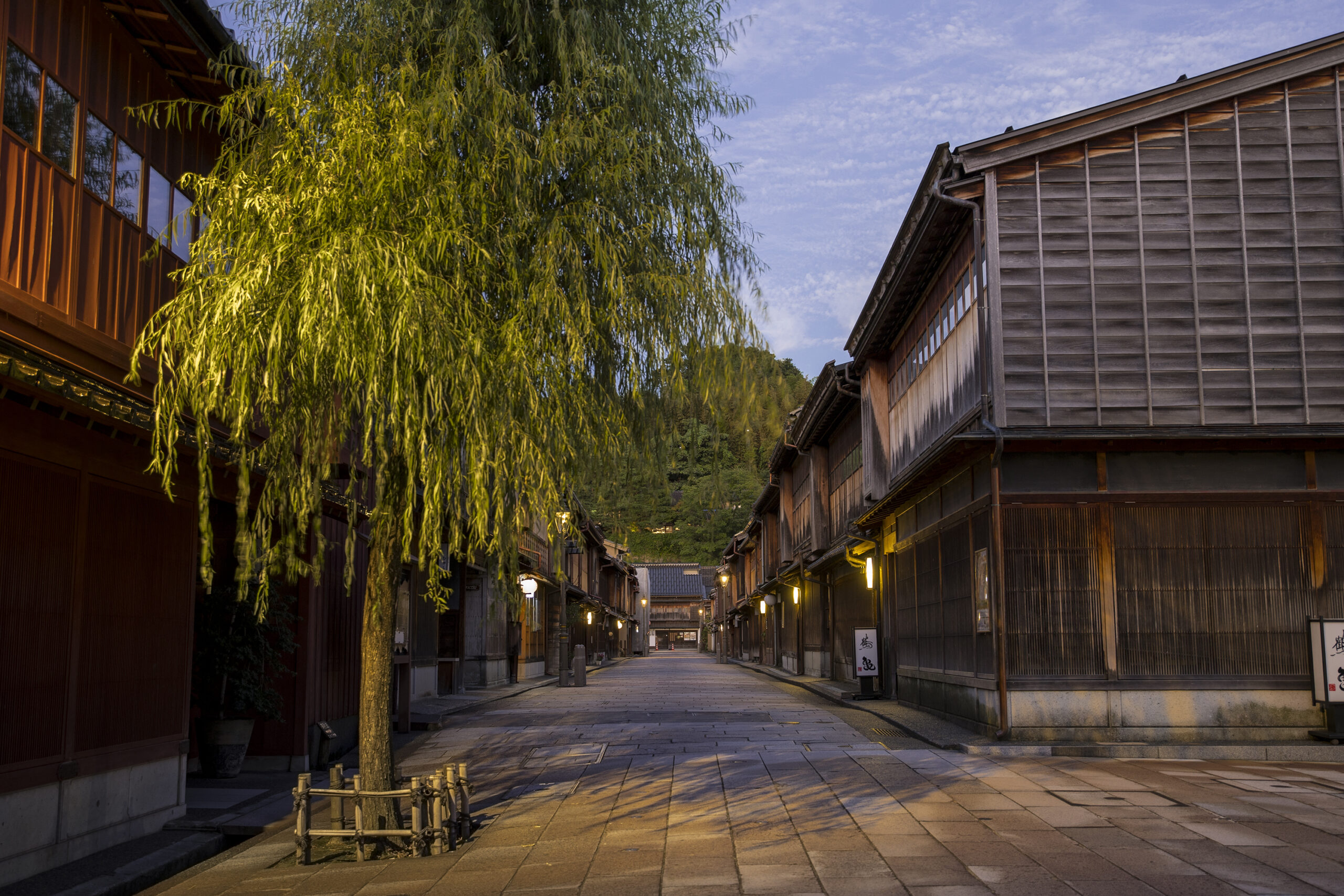
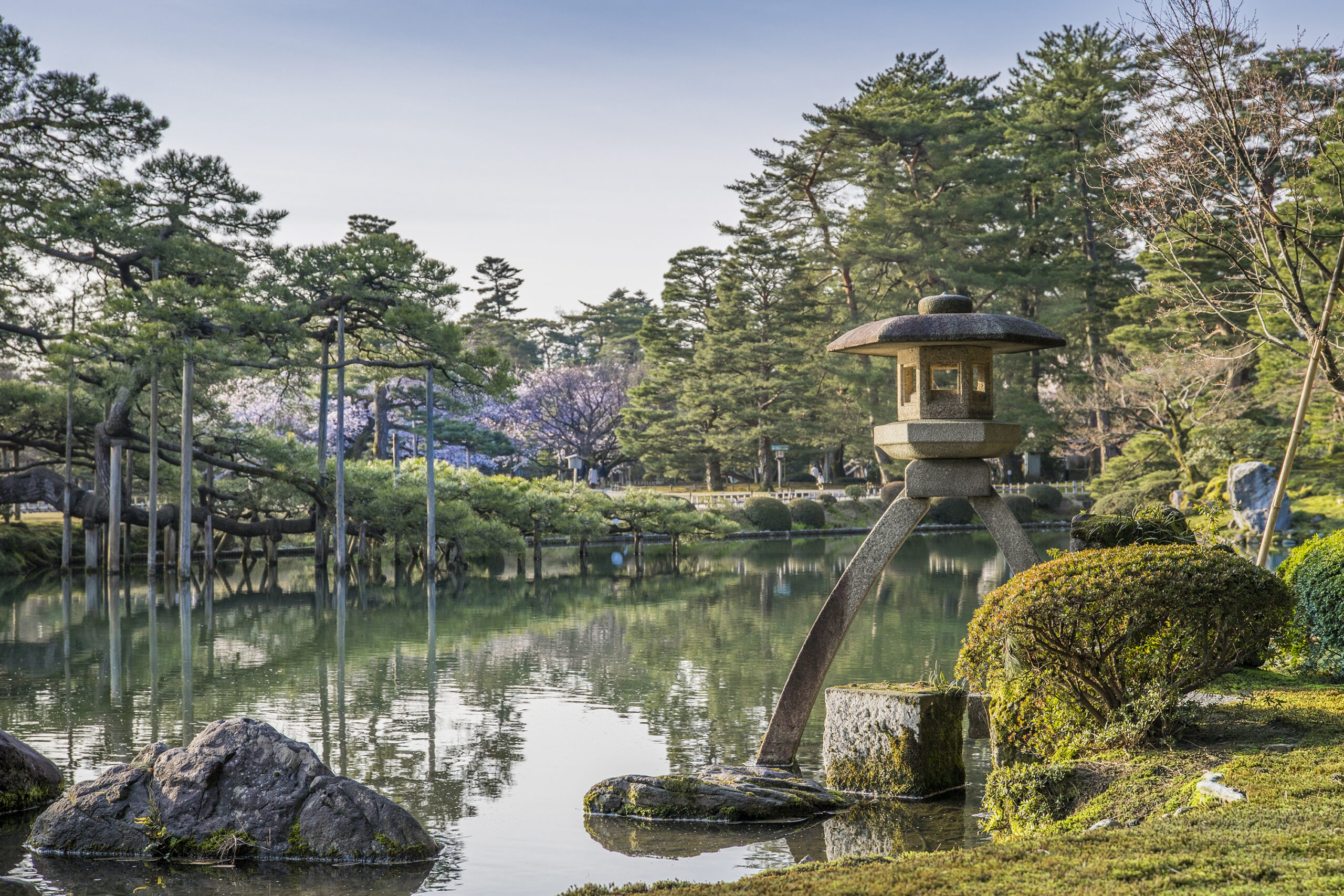
Kanazawa City has long been admired for its refined cultural heritage. From Kenrokuen Garden and Kanazawa Castle to the historic streets of Higashi Chaya District, the city offers a rare balance of beauty, history, and everyday life. In recent years, however, that balance has begun to feel fragile. As visitor numbers continue to rise, Kanazawa is increasingly experiencing what many global destinations now recognize as *overtourism*.
This article explores how overtourism is emerging in Kanazawa, why it matters, and how the city can respond in ways that protect both local life and the visitor experience.
---
## What Overtourism Looks Like in Kanazawa
Unlike major metropolitan centers, Kanazawa is a compact city. This makes its charm immediately accessible—but also means that tourism pressure is felt quickly and intensely in specific locations.
### Concentration in Iconic Areas
Tourists tend to gather in a small number of well-known spots: Kenrokuen Garden, Kanazawa Castle, Omicho Market, and Higashi Chaya District. During weekends, peak seasons, and holidays, these areas can become overcrowded, making it difficult for residents to go about their daily routines and diminishing the quality of the experience for visitors themselves.
### Friction in Daily Life
Residents have increasingly voiced concerns about:
* Crowded buses and streets blocked by large suitcases
* Littering and confusion over waste separation rules
* Eating while walking in narrow historic streets
* Unauthorized photography in private or semi-private spaces
These behaviors are often unintentional, but their cumulative effect creates frustration and fatigue among local communities.
### Cultural and Economic Strain
When tourism becomes too concentrated, local culture risks being simplified into a product rather than lived experience. Small businesses may feel pressured to cater only to short-term visitors, while housing costs and noise levels rise in traditionally residential areas. Ironically, this can erode the very authenticity that attracts travelers to Kanazawa in the first place.
---
## Why This Matters
Overtourism is not merely an inconvenience. Left unmanaged, it can undermine three key pillars of the city:
1. **Quality of life for residents** – A city must first be a livable place for the people who call it home.
2. **Cultural preservation** – Traditions, craftsmanship, and local customs require care and respect, not mass consumption.
3. **Long-term tourism sustainability** – Destinations that burn out eventually lose their appeal.
Kanazawa is at a critical point where proactive action can prevent deeper problems in the future.
---
## Current Efforts and Their Limits
The city and prefecture have already begun responding through etiquette campaigns, multilingual guidance, and initiatives promoting sustainable tourism aligned with the SDGs. These are important first steps. However, awareness alone is not enough. Structural and community-based solutions must follow.
---
## Practical Solutions for Sustainable Tourism
### 1. Smarter Visitor Flow Management
Rather than attracting ever-increasing numbers, Kanazawa should focus on *better distribution*:
* Encourage visits during off-peak hours and seasons
* Promote lesser-known neighborhoods and attractions
* Use digital tools to share real-time crowd information
This reduces congestion while creating richer, more diverse travel experiences.
### 2. Community-Centered Tourism
Tourism should be something residents participate in—not endure. Supporting community-led experiences such as craft workshops, walking tours led by locals, and cultural exchanges helps visitors engage more deeply while spreading economic benefits more fairly.
### 3. Clear Pre-Arrival Communication
Many issues can be prevented before travelers even arrive. Simple, respectful explanations of local norms—shared via booking platforms, airlines, and travel websites—can greatly improve visitor behavior on the ground.
### 4. Protecting Residential Areas
Zoning guidelines, limits on large tour groups in narrow streets, and clearly marked photography rules can help preserve quiet neighborhoods without discouraging tourism altogether.
### 5. Continuous Dialogue and Data Use
Sustainable tourism is not a one-time policy but an ongoing process. Regular surveys of residents, feedback from businesses, and transparent data sharing allow the city to adapt as conditions change.
---
## A Shared Responsibility
Tourism is neither inherently good nor bad. It becomes harmful only when growth is pursued without regard for people and place. Kanazawa still has the opportunity to model a different path—one that values depth over volume, respect over convenience, and long-term harmony over short-term gains.
By choosing thoughtful management and encouraging responsible travel, Kanazawa can remain a city that welcomes visitors warmly while continuing to be a comfortable, meaningful home for its residents.
---
*Kanazawa’s future as a cultural city depends not on how many people visit, but on how well the city, its residents, and its guests learn to coexist.*
Kanazawa City has long been admired for its refined cultural heritage. From Kenrokuen Garden and Kanazawa Castle to the historic streets of Higashi Chaya District, the city offers a rare balance of beauty, history, and everyday life. In recent years, however, that balance has begun to feel fragile. As visitor numbers continue to rise, Kanazawa is increasingly experiencing what many global destinations now recognize as *overtourism*.
This article explores how overtourism is emerging in Kanazawa, why it matters, and how the city can respond in ways that protect both local life and the visitor experience.
---
## What Overtourism Looks Like in Kanazawa
Unlike major metropolitan centers, Kanazawa is a compact city. This makes its charm immediately accessible—but also means that tourism pressure is felt quickly and intensely in specific locations.
### Concentration in Iconic Areas
Tourists tend to gather in a small number of well-known spots: Kenrokuen Garden, Kanazawa Castle, Omicho Market, and Higashi Chaya District. During weekends, peak seasons, and holidays, these areas can become overcrowded, making it difficult for residents to go about their daily routines and diminishing the quality of the experience for visitors themselves.
### Friction in Daily Life
Residents have increasingly voiced concerns about:
* Crowded buses and streets blocked by large suitcases
* Littering and confusion over waste separation rules
* Eating while walking in narrow historic streets
* Unauthorized photography in private or semi-private spaces
These behaviors are often unintentional, but their cumulative effect creates frustration and fatigue among local communities.
### Cultural and Economic Strain
When tourism becomes too concentrated, local culture risks being simplified into a product rather than lived experience. Small businesses may feel pressured to cater only to short-term visitors, while housing costs and noise levels rise in traditionally residential areas. Ironically, this can erode the very authenticity that attracts travelers to Kanazawa in the first place.
---
## Why This Matters
Overtourism is not merely an inconvenience. Left unmanaged, it can undermine three key pillars of the city:
1. **Quality of life for residents** – A city must first be a livable place for the people who call it home.
2. **Cultural preservation** – Traditions, craftsmanship, and local customs require care and respect, not mass consumption.
3. **Long-term tourism sustainability** – Destinations that burn out eventually lose their appeal.
Kanazawa is at a critical point where proactive action can prevent deeper problems in the future.
---
## Current Efforts and Their Limits
The city and prefecture have already begun responding through etiquette campaigns, multilingual guidance, and initiatives promoting sustainable tourism aligned with the SDGs. These are important first steps. However, awareness alone is not enough. Structural and community-based solutions must follow.
---
## Practical Solutions for Sustainable Tourism
### 1. Smarter Visitor Flow Management
Rather than attracting ever-increasing numbers, Kanazawa should focus on *better distribution*:
* Encourage visits during off-peak hours and seasons
* Promote lesser-known neighborhoods and attractions
* Use digital tools to share real-time crowd information
This reduces congestion while creating richer, more diverse travel experiences.
### 2. Community-Centered Tourism
Tourism should be something residents participate in—not endure. Supporting community-led experiences such as craft workshops, walking tours led by locals, and cultural exchanges helps visitors engage more deeply while spreading economic benefits more fairly.
### 3. Clear Pre-Arrival Communication
Many issues can be prevented before travelers even arrive. Simple, respectful explanations of local norms—shared via booking platforms, airlines, and travel websites—can greatly improve visitor behavior on the ground.
### 4. Protecting Residential Areas
Zoning guidelines, limits on large tour groups in narrow streets, and clearly marked photography rules can help preserve quiet neighborhoods without discouraging tourism altogether.
### 5. Continuous Dialogue and Data Use
Sustainable tourism is not a one-time policy but an ongoing process. Regular surveys of residents, feedback from businesses, and transparent data sharing allow the city to adapt as conditions change.
---
## A Shared Responsibility
Tourism is neither inherently good nor bad. It becomes harmful only when growth is pursued without regard for people and place. Kanazawa still has the opportunity to model a different path—one that values depth over volume, respect over convenience, and long-term harmony over short-term gains.
By choosing thoughtful management and encouraging responsible travel, Kanazawa can remain a city that welcomes visitors warmly while continuing to be a comfortable, meaningful home for its residents.
---
*Kanazawa’s future as a cultural city depends not on how many people visit, but on how well the city, its residents, and its guests learn to coexist.*